 AIRLINE PILOT CENTRAL
We Must Strengthen the Pilot Training Pipeline for Regional Airlines

The workforce in commercial aviation was severely impacted by the COVID-19 epidemic. Larger airlines actively sought out experienced pilots when air travel recovered, luring many pilots away from regional carriers. Major airlines hire enough people to run their airlines, but smaller regional airlines have found it difficult to keep up a regular supply of certified pilots.
For commercial aviation in America, regional airlines are crucial. They serve as a vital entrance point for pilots gaining the experience required to progress in their careers and link smaller cities to larger ones. Regional carriers could have to cut back on schedules or stop serving smaller markets if they are unable to find enough pilots.
Strengthening the pilot training pipeline is one way to address this problem. Government organizations, regional airlines, and aviation schools can collaborate to lower the cost and increase accessibility of commercial pilot training. For many prospective pilots, the expense of obtaining the required certifications and flight hours continues to be a major obstacle. Increased funding opportunities, airline-sponsored training, and scholarships could all aid in attracting more applicants to the field.
Additionally, airlines can strengthen their ties with colleges and aviation schools. From their first flight lesson to the cockpit of a regional airline, students may find it easier to navigate through structured pathway programs. Partnerships that involve standardized training, conditional employment opportunities, and mentoring can help airlines find qualified applicants sooner and make the transition more predictable.
Additionally, regional airlines should keep looking for ways to make these jobs more appealing than just raising salaries. Where pilots choose to work can be influenced by a number of factors, including quality of life, professional progression, scheduling, perks, and a clear path to larger carriers.
Demand for seasoned pilots can rapidly change the aviation business, as the post-pandemic pilot market showed. Investing in the next generation of pilots may help regional airlines maintain dependable service and give ambitious pilots a sustainable route into commercial aviation, but building a stronger training pipeline will take time.
-
.jpg)
SkyWest Charter 09/22/2026
-
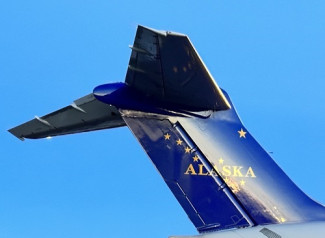
Everts Air Cargo 08/17/2026
-
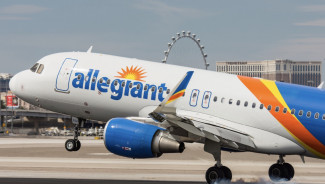
Allegiant Air 08/05/2026
-
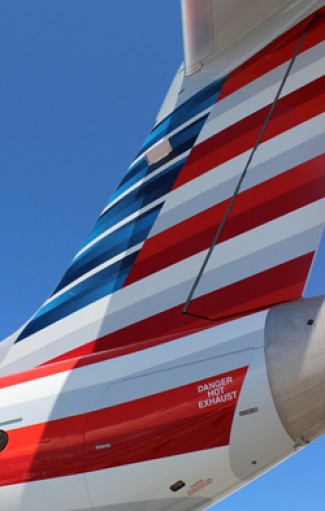
PSA Airlines 07/28/2026
-
Baker Aviation 06/18/2026
